Cracked, Loose, or Hollow Tile? A Connecticut Homeowner's Repair Guide
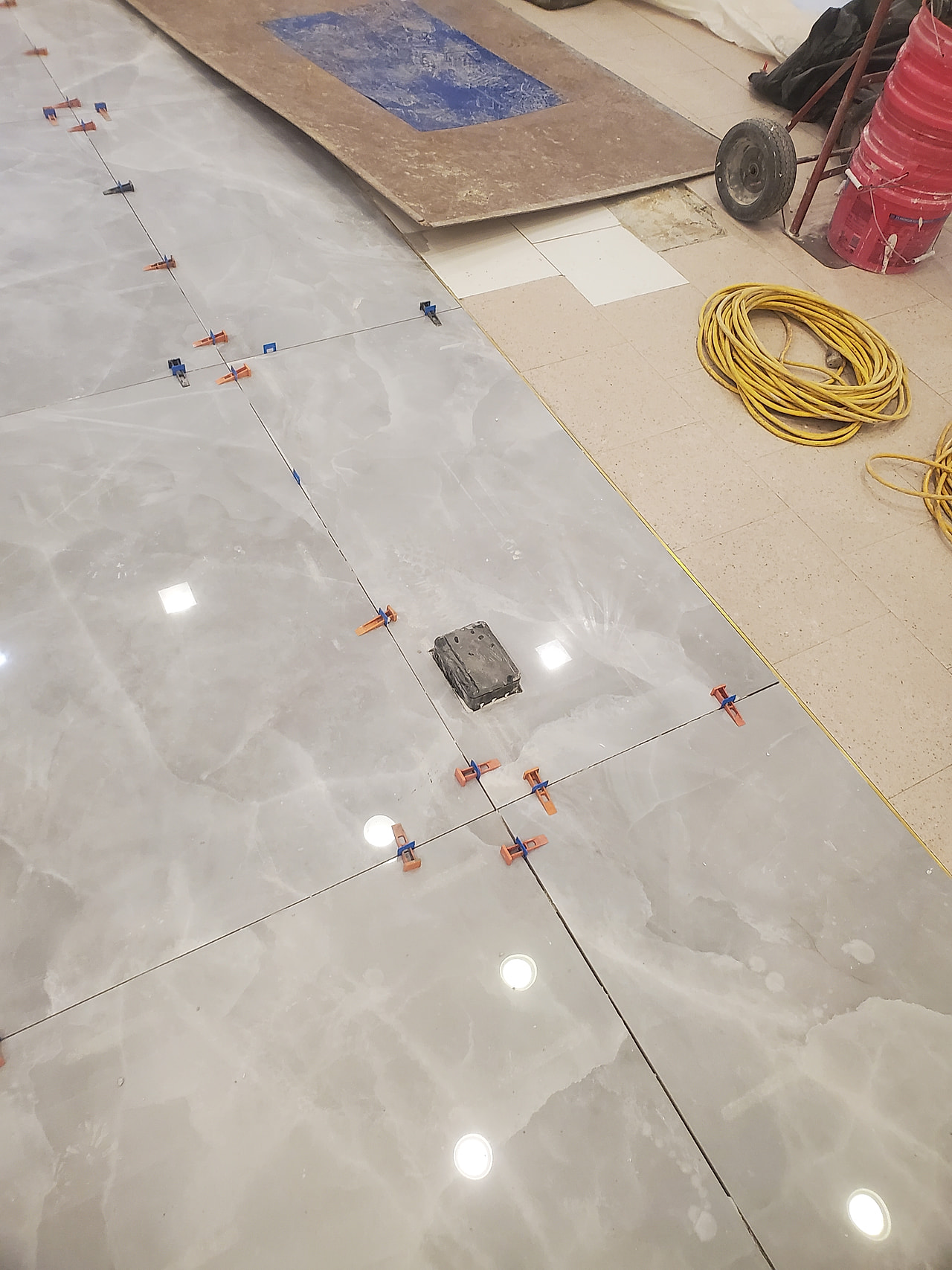
A cracked or loose tile is rarely just cosmetic — it's usually telling you something about what's happening underneath. This guide walks Connecticut homeowners through the most common tile repair problems, how to tell them apart, and when it's a weekend fix versus a call to a pro.
The common tile problems (and how to tell them apart)
Most tile trouble falls into a handful of buckets:
- Cracked tile — a crack through the tile itself. A single cracked tile is often impact damage; cracks running in a line across several tiles usually mean movement underneath.
- Loose tile — tile that shifts or lifts. The bond to the subfloor has let go.
- Hollow-sounding tile — tap across the floor with a coin or knuckle. A sharp click is solid; a dull, drummy echo means there's a void under the tile.
- Failing grout — cracked, crumbling, or missing grout. Often the first visible sign of movement or water.
- Lippage — one tile edge sitting higher than its neighbor. Usually an install issue, and a trip or chip risk.
Knowing which one you've got matters, because the fix — and the cause — is different for each.
Why tile fails
Tile itself is tough. When it fails, the reason is almost always underneath or around it:
- Subfloor movement — wood subfloors flex; if the floor wasn't stiff enough or the right underlayment wasn't used, tiles and grout crack.
- Bad prep or wrong mortar — thin-set that wasn't fully troweled leaves voids (that hollow sound) and weak bonds.
- Water intrusion — the big one in showers. Once water gets past failed grout or a bad waterproofing layer, it undermines the bond and can rot what's behind it.
- Age and settling — houses move over decades, and older installs eventually show it.
The takeaway: a cracked or loose tile is a symptom. Fixing the tile without fixing the cause just buys you a little time.
Can you DIY it?
Some tile repairs are genuinely DIY-friendly:
- Replacing a single cracked tile in the middle of a floor, if you have a matching spare.
- Re-caulking the joint where a tub or counter meets tile.
- Regrouting a small area of cosmetic grout cracking.
Where DIY gets risky:
- Matching tile — discontinued colors and dye-lot differences make a repair stand out.
- Multiple loose or hollow tiles — that points to a bigger subfloor or bond problem, not a one-tile fix.
- Anything in a shower — get the waterproofing wrong and you trade a $20 tile for a rotted wall.
If it's one tile and you have a match, it's a reasonable weekend project. If it's spreading, in a wet area, or you can't find matching tile, that's pro territory.
When to call a pro
Call a professional when you see any of these:
- Cracks running in a line across several tiles (subfloor movement).
- Multiple hollow or loose tiles in the same area.
- Any failure inside a shower, or on a floor that gets wet — bathrooms, entryways, mudrooms.
- Water stains, soft spots, or a musty smell near the tile — signs water is already behind it.
- You can't source matching tile and the repair needs to look seamless.
These aren't wait-and-see problems. Water damage in particular gets more expensive the longer it sits.
Repair vs. full replacement
The honest answer: it depends on how widespread the problem is.
- Repair makes sense when the failure is localized — a few tiles, a sound subfloor, matchable tile.
- Replacement makes sense when the tile is discontinued and repairs would be obvious, the subfloor needs to be redone, or so many tiles are failing that patching is throwing good money after bad.
A good contractor will tell you which one you're actually looking at — and won't sell you a full redo when a repair will do, or a patch when the floor really needs to be pulled.
What RK does on a repair call
RK installs tile and stone every week, so a repair call starts with finding the cause, not just the cracked tile. He checks whether the subfloor is solid, whether water is involved, and whether the surrounding tile is still well-bonded. Then you get a straight recommendation: a clean repair if that's all it needs, or an honest heads-up if the smarter money is a larger fix.
Either way, no pressure and no upsell for work you don't need. If you're not sure how bad it is, a few photos are usually enough for RK to point you in the right direction.
Frequently asked questions
Can a cracked tile be repaired without replacing it?
Sometimes — a hairline crack can be filled, but the result is visible up close and doesn't restore strength. If you have a matching spare, replacing the single tile is usually the better-looking, longer-lasting fix.
Why does my tile sound hollow?
A hollow or drummy sound means there's a void between the tile and the subfloor — the mortar didn't fully bond. One or two hollow tiles may hold for years; several in one area often signal a bigger bond or subfloor problem worth a professional look.
Is a loose floor tile a big deal?
It can be. A single loose tile might just need re-setting, but loose tiles often point to subfloor movement or a failed bond that will spread. It's worth diagnosing before it becomes a larger repair.
How much does tile repair cost?
It depends entirely on the cause and how many tiles are involved — a single-tile swap is minor, while a repair tied to subfloor or water damage is a bigger job. The only way to get a real number is to have it looked at.
Should I repair or replace my tile floor?
Repair localized damage when the subfloor is sound and you can match the tile. Lean toward replacement when tile is discontinued, the subfloor needs work, or failures are widespread enough that patching won't hold.
The bottom line
- A cracked, loose, or hollow tile is usually a symptom of something underneath — fix the cause, not just the tile.
- Single-tile swaps with a matching spare are DIY-friendly; spreading cracks, wet areas, and mismatched tile are pro jobs.
- Water behind tile only gets worse — don't wait on it.
- A good contractor tells you honestly whether it's a repair or a replacement.
Got a tile problem you're not sure about? Send RK a few photos or call or text (203) 509-2987. While you're here, see what tile & grout cleaning costs in CT or RK's full tile repair & restoration services.